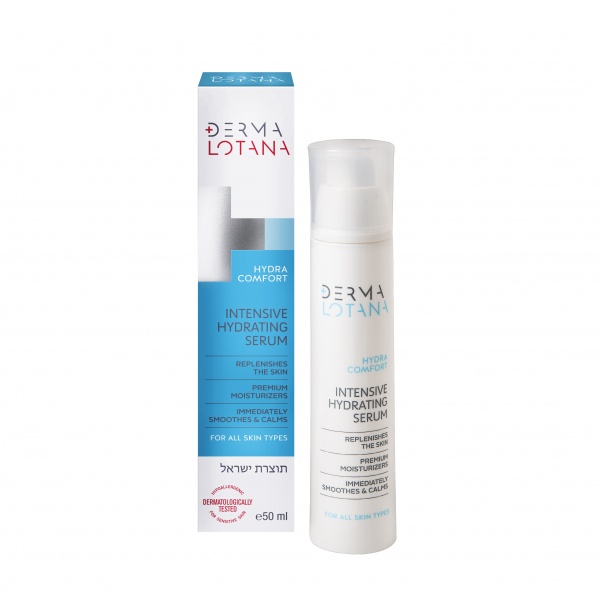
DERMALOTANA veido serumas HYDRA COMFORT
Summary
Serum with humectants, retinoids and UV filters. Contains EU-labelled fragrance allergens (1) and alcohol. Part of the ingredient list is not recognised.
- Known allergens present (1)
- Contains alcohol
- Part of the formula not recognised (11)
- Size
- 50 ml
- A better pick
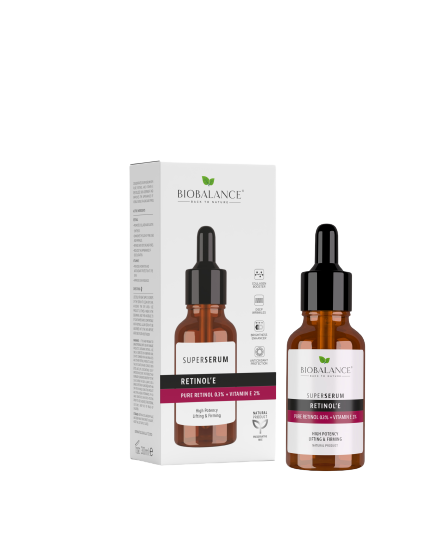 BIO BALANCEveido serumas su retinoliu ir vitaminu E
Is it right for you?
Checking against your profile…
Alternatives
2 suggestions
The same type and purpose of product, chosen by rules: better ones first (without this product's warnings, or cheaper per 100 ml), then similar ones. Advertising has no influence here.
Similar formula
No similar formula found
Products from the same shelf with almost the same ingredients on the label. Cheaper ones first.
Will it do its job?
Active ingredient present
For each purpose: whether the ingredient list contains substances studied for it, and whether their amount matches the studies.
Findings
7 findings
Known allergens present (1)LIMONENE is on the EU list of fragrance allergens (Regulation 1223/2009, Annex III) that must be named on the label. They can cause a reaction in people who are already sensitised to them.Why?
Ingredients: LIMONENE
Basis:
- EU Regulation 1223/2009: LIMONENE: EC 1223/2009 Annex III, entry 88 · source eur_lex_cellar
Contains alcoholIt contains ethanol (ALCOHOL). It can dry and irritate skin, especially in large amounts; the amount is unknown. Fatty alcohols (e.g. Cetyl Alcohol) are not counted here – they do not dry the skin.Why?
Ingredients: ALCOHOL
Basis:
- Our rules list: list of ethanol names (product-findings/1.1.0)
Contains retinoidsIt contains vitamin A derivatives: RETINYL PALMITATE. They can irritate and increase sun sensitivity, so they are usually used in the evening. Concentration not stated on the label.Why?
Ingredients: RETINYL PALMITATE
Basis:
- Our rules list: list of retinoid names (product-findings/1.1.0)
Contains UV filtersIt contains ingredients that CosIng classes as UV filters: ETHYLHEXYL METHOXYCINNAMATE. The level of protection (SPF) is stated by the manufacturer – it cannot be worked out from the formula.Why?
Ingredients: ETHYLHEXYL METHOXYCINNAMATE
Basis:
- CosIng function: ETHYLHEXYL METHOXYCINNAMATE: UV FILTER · source cosing
Hydrating profileIt contains 5 ingredients that CosIng classes as humectants or moisturising ingredients: GLYCERIN, SACCHARIDE ISOMERATE, SILK AMINO ACIDS, SODIUM HYALURONATE, BUTYLENE GLYCOL. Amounts are unknown.Why?
Ingredients: GLYCERIN, SACCHARIDE ISOMERATE, SILK AMINO ACIDS, SODIUM HYALURONATE, BUTYLENE GLYCOL
Basis:
- CosIng function: GLYCERIN: HUMECTANT / MOISTURISING · source cosing
- CosIng function: SACCHARIDE ISOMERATE: HUMECTANT / MOISTURISING · source cosing
- CosIng function: SILK AMINO ACIDS: HUMECTANT / MOISTURISING · source cosing
- CosIng function: SODIUM HYALURONATE: HUMECTANT / MOISTURISING · source cosing
- CosIng function: BUTYLENE GLYCOL: HUMECTANT / MOISTURISING · source cosing
EU-restricted ingredients (1)RETINYL PALMITATE has EU Annex III conditions (maximum concentration, purpose or warnings). Whether the product meets them depends on the concentration, which is usually unknown. This is not a violation.Why?
Ingredients: RETINYL PALMITATE
Basis:
- EU Regulation 1223/2009: RETINYL PALMITATE: EC 1223/2009 Annex III, entry 376 · source eur_lex_cellar
Part of the formula not recognised (11)11 of 39 ingredients are not yet linked to known substances: Aqua Water, Ceteth 10, Simmondsia Chinensis Jojoba Seed Oil, Hippophae Rhamnoides Sea Buckthorn Fruit Oil, Acrylates/C10 30 Alkylacrylate Crosspolymer, Lonicera Caprifolium Honey Suckle Flower Extract and 5 more. We draw no conclusions about them.Why?
Ingredients: Aqua Water, Ceteth 10, Simmondsia Chinensis Jojoba Seed Oil, Hippophae Rhamnoides Sea Buckthorn Fruit Oil, Acrylates/C10 30 Alkylacrylate Crosspolymer, Lonicera Caprifolium Honey Suckle Flower Extract, Glycine Soja Soybean Oil, Carthamus Tinctorius Safflower Oil, Lonicera Japonica Honeysuckle Flower Extract, Laureth 4, Parfum Fragrance
Basis:
- Recognition coverage: 11 of 39 not recognised
How to use
Tips on how to use it
Our tips based on the ingredients and the step in the routine.
What studies show
Panthenol, Sodium Hyaluronate, Retinyl Palmitate
Reviews
…
Questions
Ask about this product: members and verified specialists answer. Answers never change our assessment.
…
Full ingredient list
39 ingredients
Sources and updates
Where the data comes from and when it was updated
- Source of the ingredient list
- Camelia vaistinė (UAB Nemuno vaistinė) · Formula v1, recorded 23/10/2026
- Rules for the findings
- 28 of 39 ingredients recognised · EU rules as of 27/11/2026
- Rule versions
- product-findings/1.1.0 · job-value/1.4.0 · usage-rules/1.3.0 · safety-rules/1.1.0
- 50 ml
- GTIN: 07290100259610