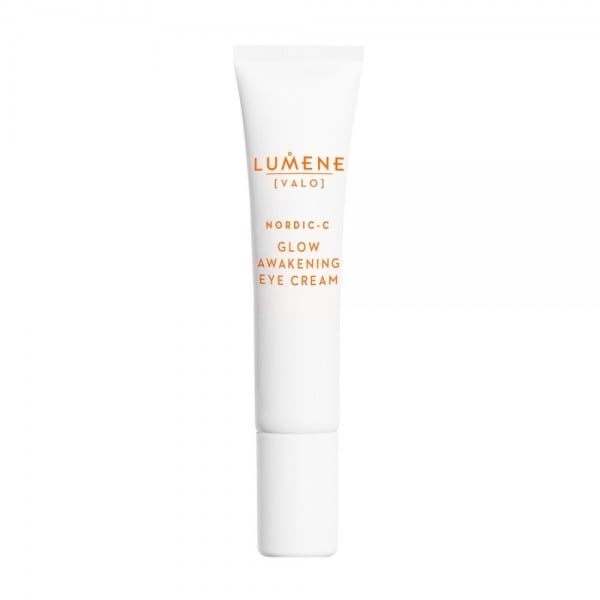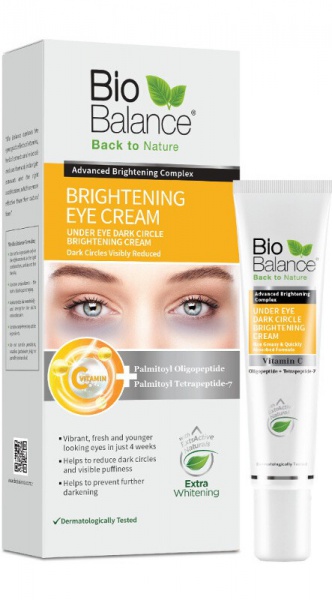
BIO BALANCE paakių kremas
Summary
Eye product with humectants and occlusive ingredients. Contains fragrance ingredients. Part of the ingredient list is not recognised.
- Contains fragrance
- Part of the formula not recognised (3)
- Size
- 15 ml
- A better pick
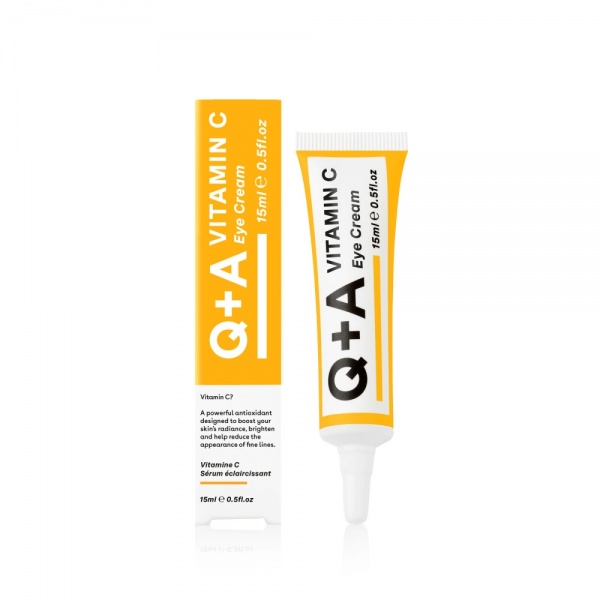 Q+Apaakių kremas VITAMIN C EYE CREAM
Is it right for you?
Checking against your profile…
Alternatives
3 suggestions
The same type and purpose of product, chosen by rules: better ones first (without this product's warnings, or cheaper per 100 ml), then similar ones. Advertising has no influence here.
Similar formula
No similar formula found
Products from the same shelf with almost the same ingredients on the label. Cheaper ones first.
Will it do its job?
Cannot assess
For each purpose: whether the ingredient list contains substances studied for it, and whether their amount matches the studies.
Findings
4 findings
Contains fragranceThe label lists a fragrance ingredient (parfum / fragrance). Fragrance is one of the most common causes of irritation on sensitive skin.Why?
Ingredients: PARFUM
Basis:
- On the label: Parfum
Hydrating profileIt contains 3 ingredients that CosIng classes as humectants or moisturising ingredients: GLYCERIN, PROPYLENE GLYCOL, BUTYLENE GLYCOL. Amounts are unknown.Why?
Ingredients: GLYCERIN, PROPYLENE GLYCOL, BUTYLENE GLYCOL
Basis:
- CosIng function: GLYCERIN: HUMECTANT / MOISTURISING · source cosing
- CosIng function: PROPYLENE GLYCOL: HUMECTANT / MOISTURISING · source cosing
- CosIng function: BUTYLENE GLYCOL: HUMECTANT / MOISTURISING · source cosing
Occlusive / rich profileIt contains ingredients that form a protective film and reduce water loss: CAPRYLIC/CAPRIC TRIGLYCERIDE, BUTYROSPERMUM PARKII BUTTER, CERA ALBA. This often suits dry skin; it may feel too heavy on oily or acne-prone skin.Why?
Ingredients: CAPRYLIC/CAPRIC TRIGLYCERIDE, BUTYROSPERMUM PARKII BUTTER, CERA ALBA
Basis:
- Our rules list: list of strongly occlusive substances (product-findings/1.1.0)
- CosIng function: CAPRYLIC/CAPRIC TRIGLYCERIDE: SKIN CONDITIONING - OCCLUSIVE · source cosing
Part of the formula not recognised (3)3 of 37 ingredients are not yet linked to known substances: Titanium Dioxide "nano, Palmitoyl Oligopeptide, Dimethicone/Methicone Copolymer. We draw no conclusions about them.Why?
Ingredients: Titanium Dioxide "nano, Palmitoyl Oligopeptide, Dimethicone/Methicone Copolymer
Basis:
- Recognition coverage: 3 of 37 not recognised
How to use
Tips on how to use it
Our tips based on the ingredients and the step in the routine.
What studies show
Niacinamide, Sodium Ascorbyl Phosphate, Glycyrrhiza Glabra Root Extract and 2 more
Full ingredient list
37 ingredients
Sources and updates
Where the data comes from and when it was updated
- Source of the ingredient list
- Camelia vaistinė (UAB Nemuno vaistinė) · Formula v1, recorded 23/10/2026
- Rules for the findings
- 34 of 37 ingredients recognised · EU rules as of 27/11/2026
- Rule versions
- product-findings/1.1.0 · job-value/1.4.0 · usage-rules/1.3.0 · safety-rules/1.1.0
- 15 ml
- GTIN: 08697711700064